If you are struggling with a persistent chesty cough, difficulty breathing, or seasonal allergies, your doctor might prescribe Acefyl syrup. Known for its effectiveness in clearing mucus and opening up airways, this medication is a staple in many households for managing respiratory discomfort.
In this comprehensive guide, we will explore Acefyl syrup uses, its composition, dosage guidelines, and potential side effects to help you use it safely.
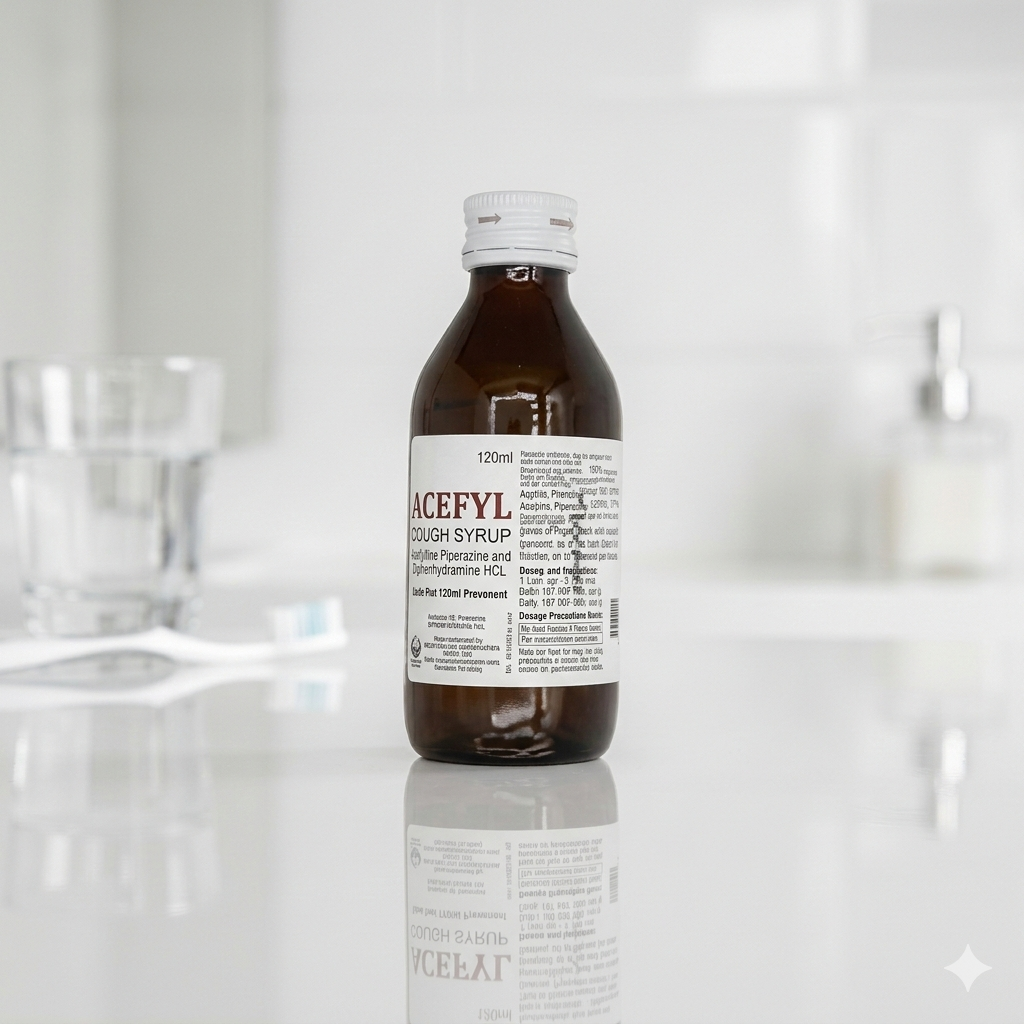
What is Acefyl Syrup?
Acefyl is a combination medicine primarily used as a bronchodilator and expectorant. It is manufactured by Nabiqasim Industries and is designed to treat conditions where the airways are constricted or blocked by excess mucus.
Active Ingredients:
Acefyl syrup typically contains two main active components (per 5ml):
- Acefylline Piperazine (45mg): A xanthine derivative that acts as a bronchodilator. it relaxes the muscles in the lungs and widens the airways (bronchi).
- Diphenhydramine HCl (8mg): An antihistamine that reduces allergic symptoms like sneezing and runny nose, while also providing a mild sedative effect to calm coughing.
Note: Some variations, like Acefyl LS or Acefyl Forte, may contain different ingredients like Guaifenesin or higher dosages.
Acefyl Syrup Uses
Acefyl is versatile and treats various respiratory issues. Its primary uses include:
1. Productive (Wet) Cough
Unlike suppressants that stop you from coughing, Acefyl is an expectorant. It thins the thick mucus (phlegm) in the lungs, making it easier to cough up and clear the chest.
2. Bronchial Asthma
By relaxing the smooth muscles of the airways, it helps relieve the wheezing and shortness of breath associated with asthma.
3. Chronic Bronchitis
It is highly effective for patients with long-term inflammation of the bronchi, helping to manage daily congestion and breathing difficulties.
4. Allergic Rhinitis & Seasonal Allergies
The antihistamine component (Diphenhydramine) helps control:
- Sneezing
- Watery eyes
- Itchy throat
- Runny nose
5. Emphysema and COPD
It provides supportive relief for obstructive airway diseases by improving airflow to the lungs.
How Does Acefyl Syrup Work?
Acefyl works through a dual-action mechanism:
- Opening Airways: Acefylline inhibits certain enzymes to relax bronchial muscles, allowing more air to pass through.
- Reducing Irritation: Diphenhydramine blocks histamine, a natural substance in the body that causes allergic reactions and airway swelling.
Dosage of Acefyl Syrup
Disclaimer: Always follow the dosage prescribed by your healthcare provider.
| Age Group | Recommended Dosage |
| Adults | 2 to 4 teaspoons (10–20 ml), 3 times daily |
| Children (6–12 years) | 2 teaspoons (10 ml), 2 to 3 times daily |
| Children (2–6 years) | 1 teaspoon (5 ml), 2 to 3 times daily |
| Infants (under 2 years) | Only as directed by a pediatrician |
Instructions:
- Shake well before use.
- Use a proper measuring cup or spoon (not a regular household spoon).
- Can be taken with or without food.
Common Side Effects
While generally safe, Acefyl may cause side effects in some people:
- Drowsiness or Dizziness: Due to the antihistamine component.
- Nausea or Stomach Upset: Taking it after a meal can help.
- Dry Mouth/Throat: Increasing water intake usually resolves this.
- Increased Heart Rate: Some may feel mild palpitations.
- Insomnia: In rare cases, the bronchodilator may cause restlessness if taken too close to bedtime.
Precautions and Warnings
- Driving: Since Acefyl can cause drowsiness, avoid driving or operating heavy machinery after taking it.
- Alcohol: Avoid alcohol consumption as it can increase the sedative effects of the syrup.
- Medical History: Inform your doctor if you have high blood pressure, heart disease, liver/kidney issues, or stomach ulcers.
- Pregnancy & Breastfeeding: Consult a doctor before use, as the ingredients may affect the baby.
- Caffeine: Limit intake of tea, coffee, or chocolate, as caffeine can increase the side effects of Acefylline.
Frequently Asked Questions (FAQs)
1. Can I take Acefyl for a dry cough?
Acefyl is best suited for productive (wet) coughs. For a dry, hacking cough without mucus, a cough suppressant (antitussive) may be more effective.
2. Does Acefyl syrup make you sleepy?
Yes, it contains Diphenhydramine, which is known to cause mild to moderate drowsiness.
3. Is Acefyl safe for babies?
It should only be given to infants under the strict supervision and prescription of a pediatrician.
4. How should I store the syrup?
Store it at room temperature (15°C to 30°C), away from direct sunlight and moisture. Keep it out of reach of children.
Final Thoughts
Acefyl syrup is a powerful tool for managing chest congestion, asthma, and allergic coughs. However, it is not a “one size fits all” remedy. If your symptoms persist for more than 7 days, or if you develop a high fever, consult a doctor immediately.
Would you like me to generate a realistic image of the Acefyl syrup packaging for your blog?