Synflex 550 mg – Uses
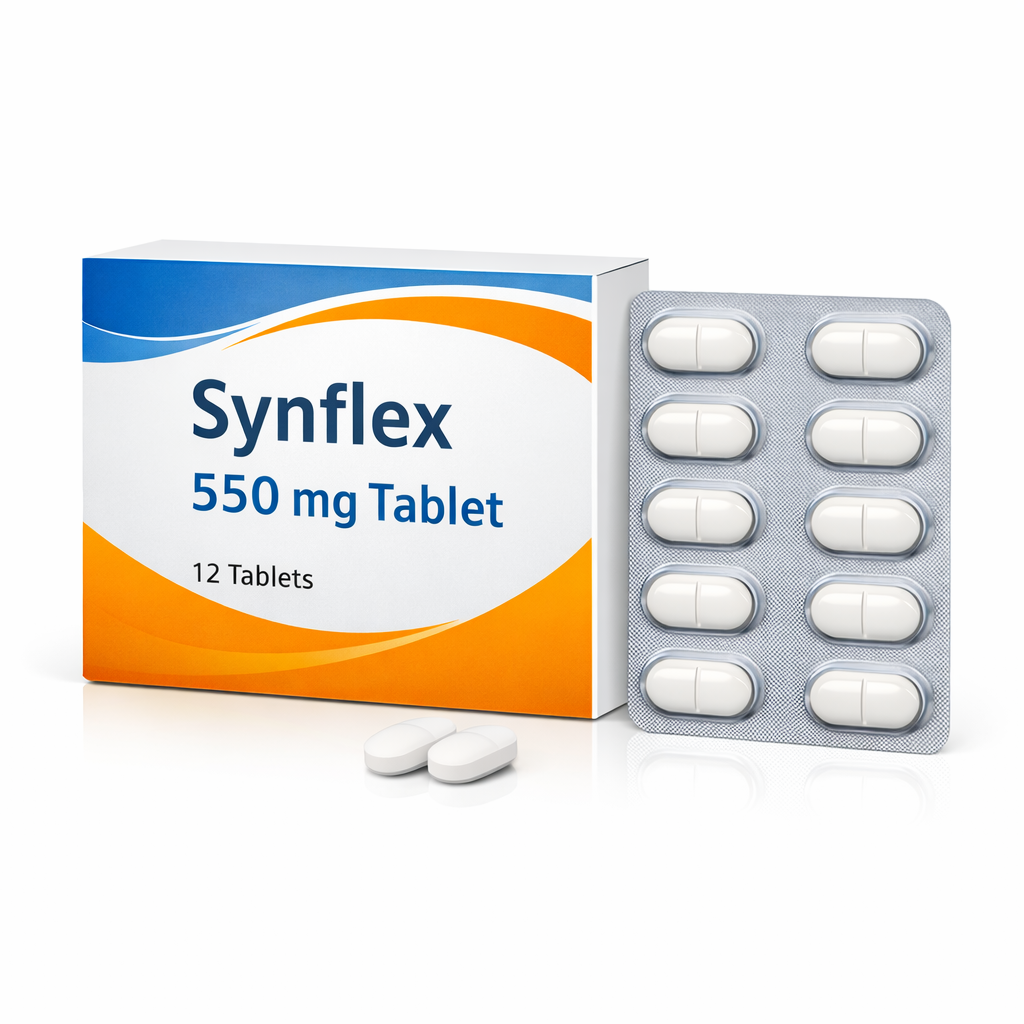
Synflex 550 mg contains naproxen sodium, a non-steroidal anti-inflammatory drug (NSAID). NSAIDs are commonly used to reduce inflammation, swelling, stiffness, and pain. Synflex 550 mg is available in tablet form and is usually taken orally with water.
Doctors may prescribe Synflex 550 mg when pain and inflammation interfere with daily activities, mobility, or quality of life. It is not intended for casual or unsupervised use and should always be taken according to medical advice.
Synflex 550 mg Uses
Synflex 550 mg is primarily used to manage pain and inflammation in a variety of conditions. Some common uses include:
1. Joint Pain and Arthritis
Synflex 550 mg is often used in conditions such as osteoarthritis, rheumatoid arthritis, and other inflammatory joint disorders. It may help reduce joint pain, swelling, and stiffness, making daily movement more comfortable.
2. Muscle Pain and Body Aches
Doctors may recommend Synflex 550 mg for muscle pain caused by overuse, physical strain, or injury. It can help relieve soreness and inflammation associated with muscle tension or fatigue.
3. Back Pain
Lower back pain and other forms of spinal discomfort may be managed with Synflex 550 mg when inflammation is a contributing factor. It may help improve mobility and reduce discomfort during movement.
4. Sprains and Soft Tissue Injuries
Synflex 550 mg is sometimes prescribed for sprains, strains, and minor sports injuries. By reducing inflammation, it can support recovery and ease pain during the healing process.
5. Menstrual Pain
In some cases, Synflex 550 mg may be used to relieve menstrual cramps and associated discomfort, as inflammation plays a role in period pain.
6. Post-operative or Dental Pain
Doctors may prescribe Synflex 550 mg for short-term pain relief following minor surgical or dental procedures, depending on the patient’s condition and tolerance.
How Synflex 550 mg Works
Synflex 550 mg works by blocking substances in the body that cause inflammation and pain. By reducing the production of these inflammatory chemicals, the medicine helps decrease swelling, tenderness, and discomfort. This mechanism makes it effective for conditions where inflammation is a major cause of pain.
Unlike some pain relievers that only mask pain, Synflex 550 mg addresses inflammation, which may contribute to longer-lasting relief when used appropriately.
Dosage and Administration
The dosage of Synflex 550 mg depends on the condition being treated, the severity of symptoms, and individual patient factors such as age and medical history. Doctors typically recommend the lowest effective dose for the shortest necessary duration.
Synflex 550 mg is usually taken with food or milk to help reduce stomach irritation. Patients should not exceed the prescribed dose or frequency, as overuse may increase the risk of side effects.
Doctor Precautions for Synflex 550 mg
Before starting Synflex 550 mg, it is important to follow medical advice carefully. Doctors usually consider several precautions, including:
1. Stomach and Digestive Health
Synflex 550 mg may irritate the stomach lining. Patients with a history of ulcers, gastritis, or digestive bleeding should inform their doctor before using this medicine.
2. Heart and Blood Pressure Concerns
Long-term or high-dose use of NSAIDs may increase cardiovascular risks in some individuals. Patients with heart disease, high blood pressure, or circulation problems should use Synflex 550 mg only under close medical supervision.
3. Kidney and Liver Function
Synflex 550 mg is processed by the liver and kidneys. Doctors may adjust the dose or avoid use in patients with existing kidney or liver conditions.
4. Pregnancy and Breastfeeding
Synflex 550 mg is generally avoided during pregnancy, especially in the later stages. Breastfeeding mothers should consult a doctor before use.
5. Drug Interactions
Patients should inform their doctor about all medications they are currently taking, including supplements. Synflex 550 mg may interact with blood thinners, certain blood pressure medicines, and other NSAIDs.
Possible Side Effects
Like all medications, Synflex 550 mg may cause side effects in some individuals. Commonly reported effects include stomach discomfort, heartburn, nausea, or dizziness. Most side effects are mild when the medicine is used as directed.
If unusual symptoms such as severe stomach pain, allergic reactions, or persistent discomfort occur, medical advice should be sought promptly.
Storage Instructions
Synflex 550 mg should be stored in a cool, dry place away from moisture and direct sunlight. It should be kept out of reach of children. Tablets should not be used beyond the expiry date printed on the packaging.
Important Safety Advice
- Do not take Synflex 550 mg without medical guidance
- Avoid combining it with alcohol unless approved by a doctor
- Do not use multiple pain relievers together without advice
- Follow prescribed dosage strictly
Conclusion
Synflex 550 mg is a widely used medication for managing pain and inflammation related to joints, muscles, and soft tissues. When taken correctly and under medical supervision, it can help improve comfort, mobility, and daily functioning. However, proper doctor precautions, correct dosing, and awareness of potential risks are essential for safe use. Always consult a healthcare professional before starting or stopping Synflex 550 mg to ensure it is appropriate for your individual health needs.