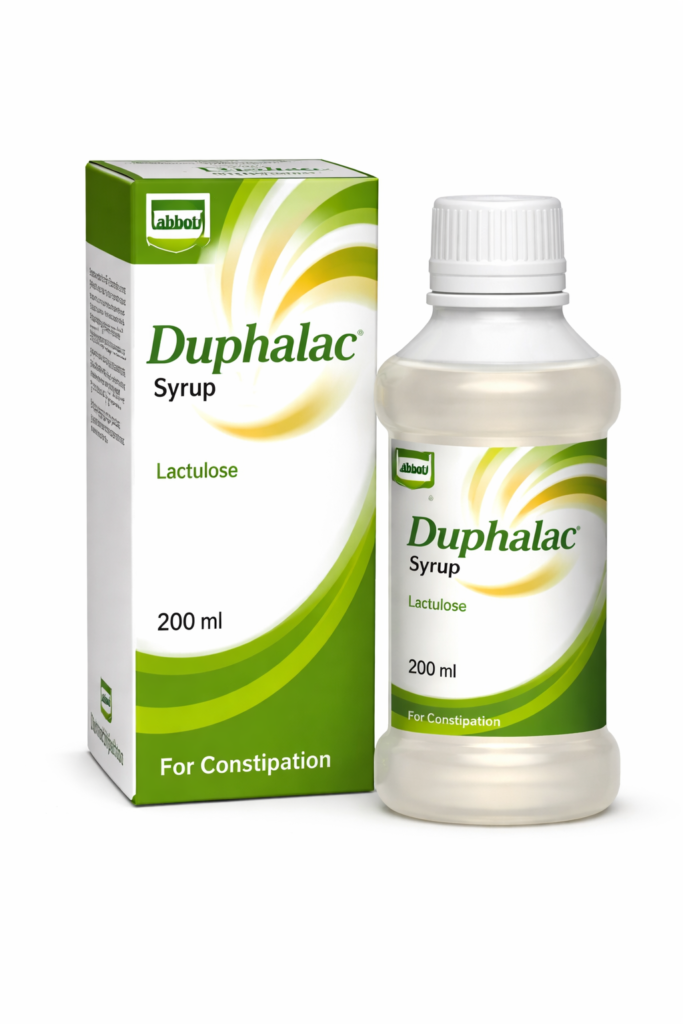
Constipation is a common digestive issue that affects people of all ages. Whether it’s due to dietary habits, lack of physical activity, or certain medical conditions, finding effective relief is essential. Duphalac syrup is a widely prescribed solution for constipation, known for its gentle and effective action.
What is Duphalac Syrup?
Duphalac syrup is a lactulose-based osmotic laxative. Lactulose is a synthetic sugar that works by drawing water into the bowel, softening the stool, and making bowel movements easier. Unlike harsh laxatives, Duphalac acts gradually, promoting a natural and comfortable relief from constipation. It is suitable for both children and adults and can also be used in some liver-related conditions under medical supervision.
How Does Duphalac Syrup Work?
The mechanism of Duphalac is simple but effective:
Osmotic effect: Lactulose is not fully absorbed by the intestines. It attracts water into the bowel, increasing stool moisture.
Softening stool: The added water content makes stool softer, easing bowel movements.
Stimulating bowel movement: Increased stool volume gently stimulates intestinal contractions, promoting regularity.
This gradual action usually leads to bowel movements within 24 to 48 hours, making it gentle and suitable for long-term use.
Uses of Duphalac Syrup
Duphalac syrup is primarily used to treat:
Chronic constipation: Helps people with irregular bowel movements get consistent relief.
Fecal impaction: Softens hardened stool for easier elimination.
Hepatic encephalopathy: In patients with liver disease, Duphalac reduces ammonia levels in the blood, helping prevent complications like confusion and lethargy.
It is not typically used for immediate relief but rather as a long-term solution for regular bowel management.
Dosage and Administration
Duphalac syrup should always be taken as prescribed by a healthcare professional. Typical guidelines include:
Adults: 15–45 mL per day, depending on the severity of constipation.
Children (1–14 years): 5–20 mL per day.
Infants: 2.5–10 mL per day.
The syrup can be taken with or without food, usually once daily. Dosage may be adjusted according to response and tolerance. Always use a measuring cup or spoon for accurate dosing.
Side Effects
Duphalac is generally well-tolerated, but some people may experience mild side effects, such as:
Bloating
Gas
Abdominal discomfort
Nausea
These side effects are usually temporary and reduce as the body adjusts. Severe reactions are rare, but medical attention is necessary if persistent diarrhea, dehydration, or allergic reactions occur.
Precautions
Consult a doctor if you have diabetes, as Duphalac contains sugar.
Avoid overuse to prevent dependency or electrolyte imbalance.
Pregnant and breastfeeding women should use it only under medical supervision.
Lifestyle Tips for Better Bowel Health
While Duphalac helps manage constipation, combining it with healthy habits enhances effectiveness:
Drink plenty of water
Eat fiber-rich foods (fruits, vegetables, whole grains)
Exercise regularly
Avoid prolonged use of strong laxatives
Conclusion
Duphalac syrup is a safe and effective solution for constipation and certain liver conditions. Its gentle, gradual action makes it suitable for adults and children alike. However, proper dosage, medical guidance, and lifestyle adjustments are essential for optimal results. If constipation persists, it’s important to consult a healthcare professional to rule out underlying conditions.