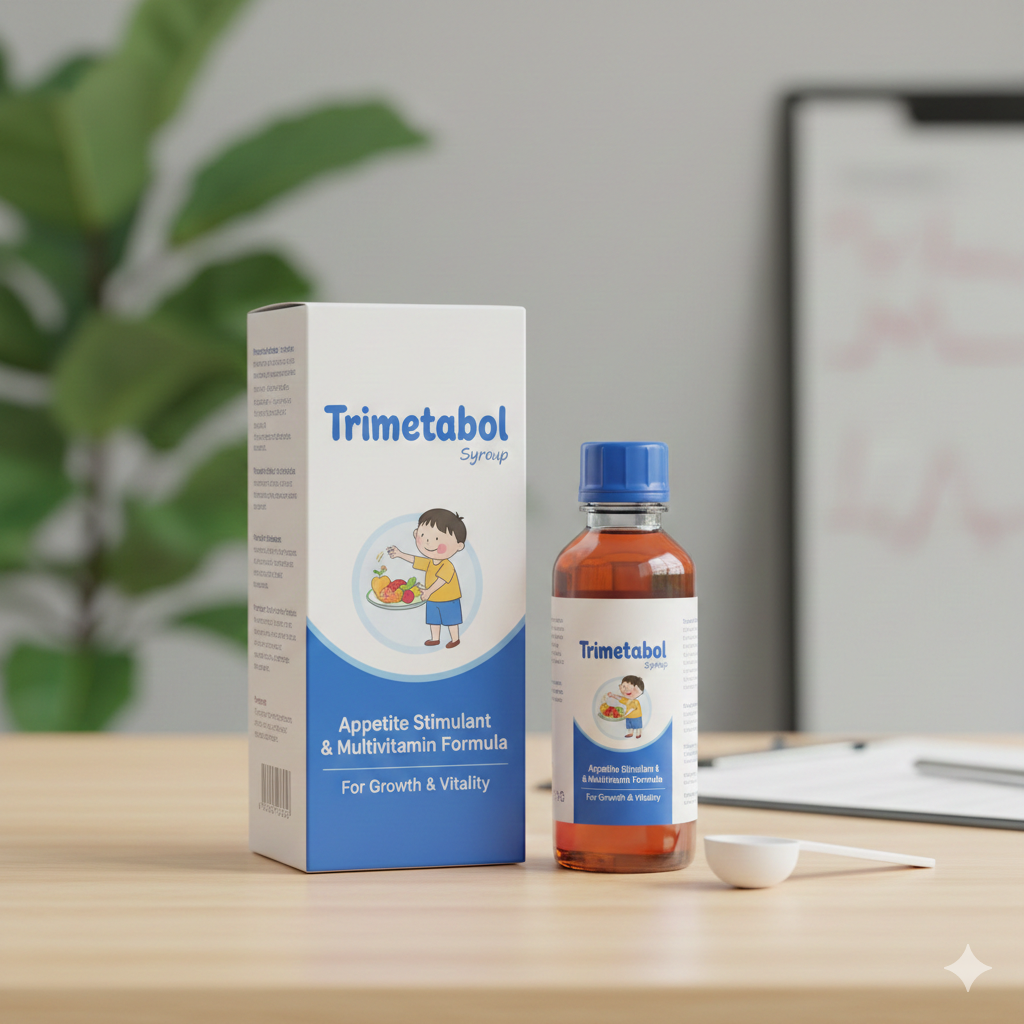
Trimetabol syrup is a medication that is primarily known for its potential to stimulate appetite and promote weight gain. It’s often prescribed for individuals who are underweight, have a poor appetite due to various reasons (such as chronic illness, recovery from surgery, or even stress), or for children who are not thriving in terms of growth.
Key Ingredients and How They Work
While the exact formulation can vary slightly by region, Trimetabol typically contains a combination of ingredients that work synergistically to achieve its effects:
- Cyproheptadine: This is often the primary active ingredient. Cyproheptadine is an antihistamine with appetite-stimulating properties. It’s thought to work by influencing serotonin receptors in the brain, which play a role in regulating appetite. Beyond appetite, it can also have sedative effects.
- Vitamins (often B complex): Many formulations include B vitamins such as B1 (Thiamine), B6 (Pyridoxine), and B12 (Cobalamin). These vitamins are crucial for metabolism, energy production, and nerve function. They can help improve overall health and energy levels, which might indirectly contribute to a better appetite.
- L-Lysine: This is an essential amino acid that plays a vital role in protein synthesis, calcium absorption, and hormone production. It’s often included to support growth and tissue repair.
Who Might Benefit from Trimetabol?
Trimetabol is generally considered for individuals experiencing:
- Poor Appetite: If someone consistently struggles to eat enough, leading to inadequate nutritional intake.
- Underweight: Individuals who are below a healthy weight for their age and height.
- Convalescence: During recovery from illness, surgery, or infections where appetite might be suppressed.
- Growth Failure in Children: In some cases, pediatricians might recommend it for children who are not growing at an expected rate.
Important Considerations and Potential Side Effects
Like any medication, Trimetabol syrup comes with potential side effects and considerations:
- Drowsiness: Due to the cyproheptadine, drowsiness is a common side effect. This can affect daily activities and should be considered, especially if driving or operating machinery.
- Dry Mouth: Another common side effect.
- Dizziness: Some individuals may experience dizziness.
- Weight Gain: While often the desired effect, excessive or unwanted weight gain can occur.
- Consult a Doctor: It is crucial to use Trimetabol syrup only under the guidance and prescription of a healthcare professional. They can assess if it’s appropriate for your specific situation, determine the correct dosage, and monitor for any adverse effects. Self-medication is not advised.
- Underlying Causes: It’s important to investigate and address any underlying medical conditions causing poor appetite or weight loss rather than solely relying on a syrup to mask symptoms.
Dosage and Administration
The dosage of Trimetabol syrup will vary significantly based on age, weight, and the specific condition being treated. It’s imperative to follow your doctor’s instructions and the directions on the medication label precisely.
Conclusion
Trimetabol syrup can be a helpful tool for stimulating appetite and promoting weight gain in specific circumstances. However, it’s not a magic solution and should always be used responsibly and under medical supervision. If you or someone you know is struggling with appetite or weight, the first step should always be a consultation with a healthcare provider to determine the root cause and the most appropriate course of action.